Description
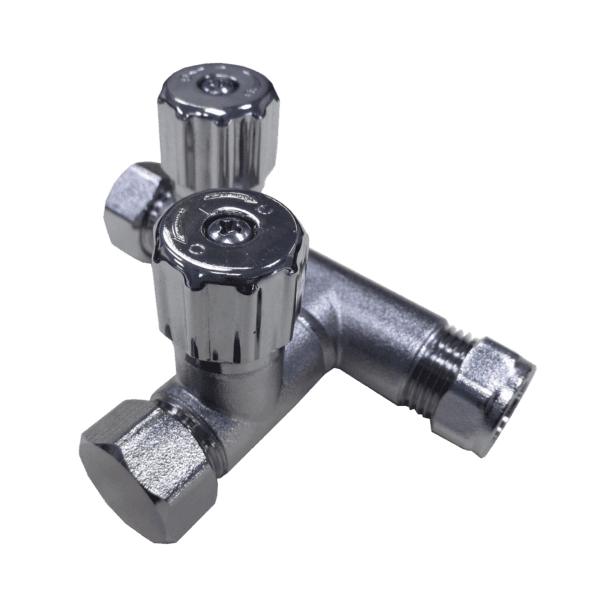
A vacuum breaker is a device designed to prevent backflow in plumbing and industrial systems by breaking the vacuum that could cause reverse flow. When pressure drops below atmospheric levels, a vacuum can form, which may draw contaminants back into the clean water supply or process line. Vacuum breakers prevent this by allowing air into the system when necessary, equalizing the pressure and stopping any potential backflow. This is particularly valuable in industries that rely on a consistent, uncontaminated flow of liquids or gases.
In Singapore’s industrial sectors, vacuum breakers are commonly used in water treatment plants, food and beverage processing, and chemical manufacturing. For instance, in water treatment, vacuum breakers ensure that clean water systems aren’t contaminated if a vacuum forms within the pipes, which can happen due to sudden drops in pressure or during maintenance. In food and beverage processing, where hygiene is crucial, these devices protect against contaminants that could otherwise be drawn into processing lines, ensuring product quality and safety. In chemical manufacturing, vacuum breakers are used in both supply and disposal lines to maintain safe pressure levels, prevent chemical cross-contamination, and ensure consistent flow, especially during processes that involve heat or high pressure.
Vacuum breaker is also essential in HVAC systems and other applications with heat exchangers and boilers. Here, they prevent damage from negative pressure and support energy efficiency by maintaining a steady flow of fluids. In line with Singapore’s move toward smart manufacturing, some industries are integrating IoT-enabled vacuum breakers that monitor pressure changes and report system health in real time. This integration helps facilities optimize operations, reduce energy consumption, and proactively address maintenance needs, aligning with Singapore’s focus on sustainability and efficiency in its industrial practices.
Types of Vacuum Breaker
- Atmospheric Vacuum Breakers (AVB): These are simple devices that work by letting air into the system when a vacuum is detected, thus breaking the suction that could cause backflow. AVBs are typically installed at a higher elevation than the flow line to allow gravity to aid in preventing backflow. They are commonly used in irrigation systems, faucets, and toilet tanks.
- Pressure Vacuum Breakers (PVB): These are more robust than AVBs and are designed to handle pressurized systems. PVBs use a spring-loaded check valve that opens when a vacuum is detected, letting air in and stopping backflow. They are frequently used in applications with a steady water supply, such as lawn sprinklers and other irrigation systems.
- Hose Bibb Vacuum Breakers: These are compact devices installed directly onto hose bibbs (outdoor faucets) to prevent backflow into the potable water supply. They’re a simple solution for hose-connected fixtures in residential, commercial, or industrial settings, especially where contamination from garden chemicals, soaps, or other contaminants might be a risk.
- Spill-Resistant Vacuum Breakers (SVB): These are similar to PVBs but are specifically designed to minimize water spillage when the vacuum breaker operates. They are commonly used in areas where preventing water damage is essential, such as indoor installations or areas close to sensitive equipment.
Benefits of Vacuum Breaker
- Prevention of Backflow and Contamination: By allowing air to enter the system when a vacuum is detected, vacuum breakers effectively prevent reverse flow. This is crucial in systems handling potable water, as it ensures that contaminants cannot enter the clean water supply due to pressure changes.
- Improved Safety and Hygiene: In industries like food and beverage processing, chemical manufacturing, and healthcare, even slight contamination can be costly or dangerous. Vacuum breakers safeguard these systems, reducing the risk of contamination and protecting product quality.
- System Integrity and Equipment Protection: In HVAC systems, boilers, and heat exchangers, vacuum breakers help prevent damage that could result from vacuum-induced backflow or pressure fluctuations. This helps extend the life of equipment and lowers maintenance costs by preventing breakdowns related to pressure issues.
- Compliance with Regulations: Many safety and building codes require backflow prevention in specific applications, especially those dealing with potable water. Installing vacuum breakers helps facilities remain compliant with local and international standards, ensuring that systems meet safety regulations.
Applications of Vacuum Breaker
- Water Treatment and Plumbing Systems: In water treatment facilities and potable water supply lines, vacuum breakers prevent contaminated water from flowing back into clean water supplies.
- Irrigation Systems: In agricultural and lawn irrigation, vacuum breakers prevent backflow of fertilizers or pesticides into the main water line, protecting water quality.
- Chemical and Industrial Processes: In facilities that handle hazardous or reactive chemicals, vacuum breakers are crucial for maintaining a safe flow and preventing cross-contamination.
- HVAC Systems and Boilers: Vacuum breakers help maintain stable pressure in HVAC systems and prevent issues in heat exchangers or boilers, ensuring efficient operation.