
Description
What are Fire Protection Fittings?
Fire protection fittings play a crucial role in fire suppression systems by connecting various components and ensuring efficient operation. These components are designed to withstand high pressures and temperatures, ensuring reliability during emergencies.
Types of Fittings
- Pipe Fittings
- Elbows: Change the direction of piping to navigate around obstacles.
- Reducers: Connect pipes of different sizes to maintain flow efficiency.
- Couplings: Join two pipes together securely.
- Valve Fittings
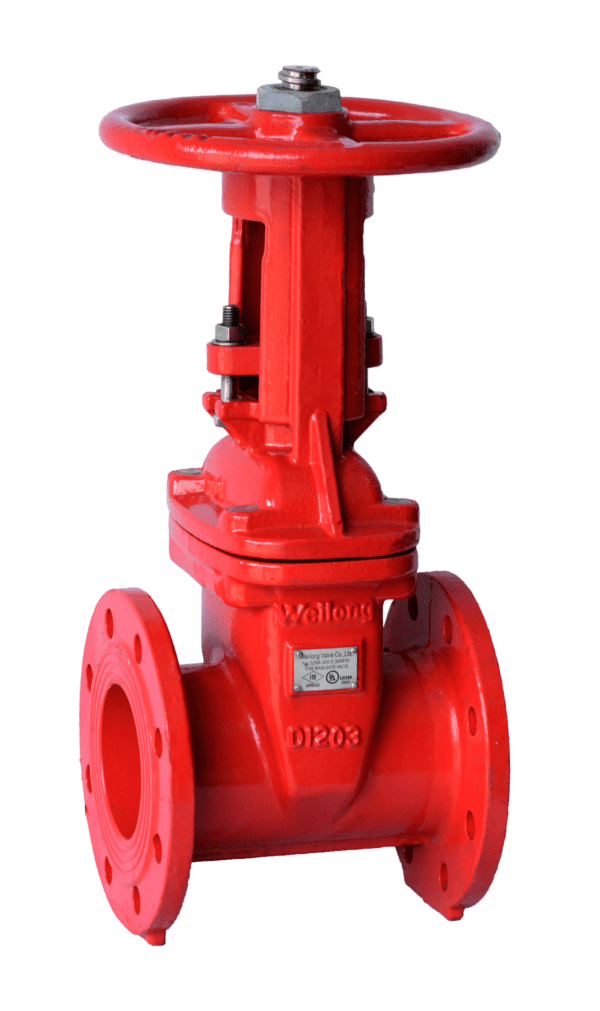
- Gate Valves: Control water flow with a simple open/close mechanism.
- Ball Valves: Provide reliable shut-off capabilities for quick response.
- Check Valves: Prevent backflow to maintain system integrity.
- Hose Fittings
- Nozzles: Control the direction and flow of water during firefighting.
- Adapters: Connect hoses of different sizes for versatile use.
Importance of Fittings
Fire protection fittings are critical for:
- System Reliability: They ensure that fire suppression systems operate effectively during emergencies.
- Flexibility: Fittings allow for customization and adaptation to specific building layouts and fire risks.
- Compliance: Meeting regulatory standards for fire safety and building codes often requires the use of certified fittings.
Choosing the Right Fittings
Consider the following when selecting fire protection fittings:
- Compatibility: Ensure fittings are compatible with your fire suppression system components.
- Material: Choose fittings made from durable materials like brass, stainless steel, or ductile iron for longevity.
- Performance: Select fittings that meet industry standards and certifications (UL, FM).
Maintenance and Inspection
Regular maintenance and inspection of fire protection fittings are essential. Ensure:
- Fittings are free of leaks and corrosion.
- Valves operate smoothly and respond effectively during tests.
- Hoses and connections are intact and functional.