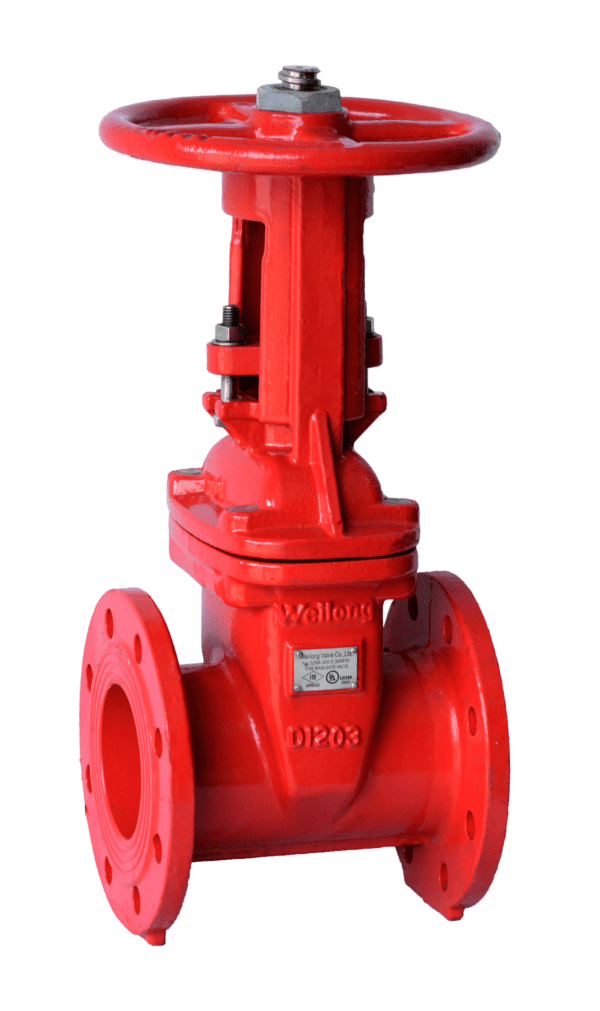

Description
What are Fire Protection Tanks?
Fire protection tanks are critical components in fire suppression systems. They store large volumes of water or other fire-suppressant materials, ensuring that a reliable supply is available in the event of a fire. These tanks are designed to meet stringent safety standards and provide an essential backup when primary water sources are compromised.
Types of Fire Protection Tanks
- Above-Ground Tanks
- Steel Tanks: Durable and resistant to external damage, suitable for long-term use.
- Fiberglass Tanks: Corrosion-resistant and lightweight, ideal for specific installations.
- Underground Tanks
- Concrete Tanks: Extremely durable and provide excellent fire resistance.
- Polyethylene Tanks: Corrosion-resistant and easy to install, suitable for various applications.
- Portable Tanks
- Collapsible Tanks: Easy to transport and set up, used in remote or temporary locations.
- Bladder Tanks: Flexible and can be quickly deployed, ideal for emergency situations.
Importance of Fire Protection Tanks
These tanks are crucial for:
- Ensuring Water Availability: They provide a dedicated and reliable water source for firefighting efforts.
- Enhancing System Reliability: Tanks ensure that fire suppression systems remain operational even when municipal water supplies are unavailable.
- Meeting Regulatory Requirements: Compliance with local and international fire safety standards often requires the installation of such tanks.
Choosing the Right Fire Protection Tanks
When selecting these tanks, consider:
- Capacity Requirements: Determine the appropriate size based on your fire suppression system and potential fire risks.
- Material: Choose a material that suits your specific needs (steel, fiberglass, concrete, polyethylene).
- Installation Site: Consider whether an above-ground, underground, or portable tank is most suitable for your location.
- Certification: Ensure the tanks are certified by recognized standards (UL, FM).
Maintenance and Inspection
Regular maintenance and inspection of these tanks are vital. Schedule periodic checks to ensure:
- Tanks are free of leaks and structural damage.
- Connections and fittings are secure and in good condition.
- Water quality is maintained to prevent contamination.