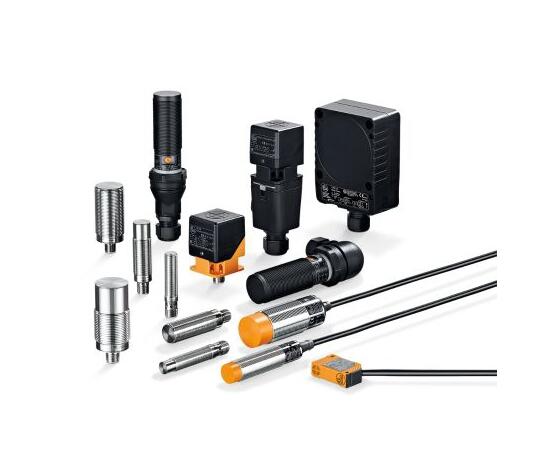
Description
What is Level Sensor?
Level sensors are crucial devices used in various industries to detect the level of liquids, powders, or solids within a container or tank. They play a vital role in ensuring accurate measurement, process control, and inventory management.
Level sensors are critical in Singapore’s industrial applications, especially in areas like water treatment, petrochemicals, food and beverage processing, and manufacturing. In water treatment facilities, level sensors help maintain optimal levels in tanks and reservoirs, ensuring continuous water supply and preventing overflows or shortages. Given Singapore’s stringent approach to water sustainability, these sensors are essential for efficiently managing water resources. In the petrochemical industry, which plays a significant role in Singapore’s economy, level sensors monitor storage tanks for oils and chemicals, ensuring safe handling and precise measurements to prevent spills or leaks, thus safeguarding both the environment and workers.
The food and beverage processing industry also relies heavily on level sensors to maintain consistency and quality. Sensors detect liquid or solid levels in storage and processing tanks, keeping ingredients at the required levels for safe and efficient production. In manufacturing, especially in areas like chemical processing and electronics, level sensors are used in tanks containing raw materials or waste products, helping control processes that depend on accurate material levels. They also ensure safe disposal of hazardous chemicals, preventing costly and dangerous accidents.
As Singapore’s industries move toward automation and smart systems under Industry 4.0, the use of IoT-enabled level sensors is growing. These smart sensors provide real-time data that can be monitored remotely, facilitating predictive maintenance and optimizing operations. By integrating level sensors with data analytics, companies can track usage patterns, detect inefficiencies, and reduce waste, aligning with Singapore’s commitment to sustainable industrial practices.
Types of Level Sensors
- Ultrasonic Level Sensors: Utilize sound waves to measure the distance to the liquid surface.
- Capacitance Level Sensors: Measure changes in capacitance caused by the presence of a liquid.
- Float Level Sensors: Consist of a float mechanism that rises or falls with the liquid level.
- Radar Level Sensors: Use radar waves to determine the level of liquid or solid material.
- Pressure Level Sensors: Measure liquid level based on the hydrostatic pressure exerted by the liquid.
Benefits of Using Level Sensors
- Accuracy: Ensure precise measurement and control of liquid levels.
- Efficiency: Optimize processes and reduce waste by maintaining optimal levels.
- Safety: Prevent overflow or underflow situations, enhancing operational safety.
- Cost-Effectiveness: Improve inventory management and reduce material loss.
Installation and Maintenance Tips
- Positioning: Install sensors at the correct height to ensure accurate readings.
- Calibration: Regularly calibrate sensors to maintain accuracy.
- Cleaning: Keep sensors clean to prevent buildup that can affect performance.
- Inspection: Periodically inspect sensors for any signs of wear or damage.
Level Sensor Applications in Singapore
Level sensors are used across a wide range of industries in Singapore, including:
- Water treatment — monitoring reservoirs, clarifiers, and dosing tanks to keep treatment processes running continuously.
- Petrochemical — tracking levels in storage tanks holding fuels, solvents, and other hazardous liquids, often with intrinsically safe sensor variants.
- Food & beverage — hygienic, contact or non-contact sensors for ingredient tanks, mixing vessels, and CIP (clean-in-place) systems.
- Manufacturing — process tanks, chemical dosing, and general fluid-handling systems where consistent levels are critical to product quality.
- Water tanks & reservoirs — residential, commercial, and industrial tanks, where a sensor prevents overflows, avoids pump dry-running, and supports automated refill systems.
Frequently Asked Questions
What is a level sensor used for?
A level sensor measures or monitors how full a tank, reservoir, or container is, so you can automate refilling, prevent overflows, or simply keep track of stock and usage without manual checks.
What are the main types of level sensors?
The most common types are ultrasonic, radar (microwave), capacitance, hydrostatic (pressure), float switches, and vibrating fork sensors. Each suits different liquids, solids, and installation conditions — see the comparison table above.
How does an ultrasonic level sensor work?
It sends an ultrasonic pulse down toward the liquid or solid surface and measures the time it takes for the echo to return, converting that into a distance and therefore a level reading. It never touches the medium, which makes it a good fit for water tanks and mildly corrosive liquids.
Do I need a continuous sensor or a simple on/off switch?
If you only need to know when a tank is nearly full or nearly empty — for example, to trigger a pump or an alarm — a point-level float or fork switch is usually enough and more cost-effective. If you need to track the level continuously (for reporting, automation, or inventory purposes), choose an ultrasonic, radar, capacitance, or hydrostatic sensor.
Can level sensors be used with corrosive chemicals or hot liquids?
Yes — radar/microwave sensors and certain capacitance probes are commonly used with corrosive chemicals, steam, and high-temperature processes because they’re built with resistant materials and, for non-contact types, never touch the medium at all.
How much do level sensors cost in Singapore?
Pricing depends on the sensor technology, brand, measuring range, and any certifications required (for example, intrinsically safe ratings for petrochemical use). Contact Sabelita for a quote based on your specific tank and application.
How often should a level sensor be serviced?
As a general guideline, inspect and clean level sensors at least every six months, and more frequently in dirty, oily, or high-buildup environments. Recalibrate after any change to the tank, mounting position, or the liquid/solid being measured.
Get Level Sensors From Sabelita
Sabelita supplies level sensors from trusted brands including IFM, alongside our wider range of pressure sensors and flow sensors, so you can source a complete monitoring setup from one supplier. As a Singapore-based team with hands-on experience in water supply and storage systems, we can also advise on fitting a sensor to new or existing water tanks. Contact us for a recommendation and quote — tell us the liquid or solid being measured, the tank size or depth, and whether you need continuous tracking or a simple point-level switch, and we’ll suggest the right technology and product.