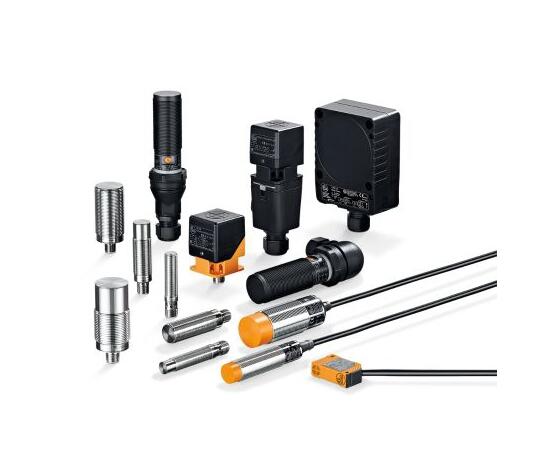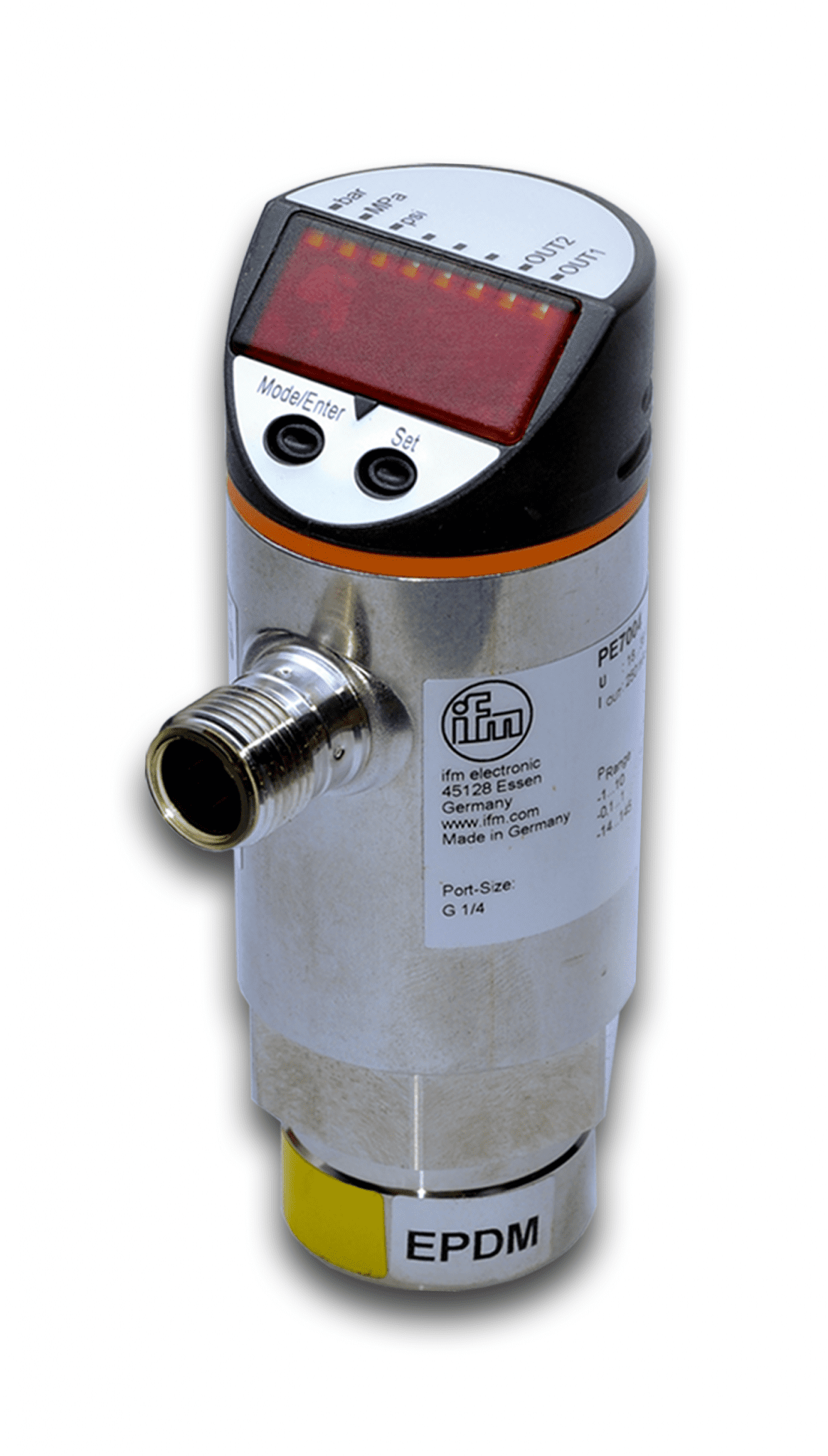


Description
What are Pressure Sensors?
Pressure sensors are essential devices used across industries to measure pressure levels in liquids, gases, or solids. They play a critical role in monitoring and controlling pressure for various applications, ensuring safety, efficiency, and reliability.
In Singapore’s industrial sectors, pressure sensors are vital, especially in fields like oil and gas, water treatment, electronics manufacturing, and biomedical sciences. In the oil and gas industry, where refining and petrochemical production are significant, pressure sensors monitor pipelines and ensure safe, efficient transport of materials. Likewise, Singapore’s emphasis on sustainable water management relies on pressure sensors in treatment plants to monitor water flow and detect issues like leaks or blockages. In electronics manufacturing, which requires high precision, sensors control processes dependent on specific gas pressures, such as chemical vapor deposition and etching, which are crucial for quality control.
In addition, Singapore’s booming biomedical sector benefits from pressure sensors in pharmaceutical manufacturing and research labs, where controlled environments are essential. In sterile labs, sensors help maintain specific pressure levels in HVAC systems, which protect product integrity and staff safety. Building management, including HVAC systems in high-rise facilities, also uses pressure sensors to maintain airflow, temperature, and energy efficiency. Food and beverage processing plants, meanwhile, rely on these sensors to manage pressures and temperatures for consistent quality and safety during packaging and processing stages.
Looking ahead, as Singapore’s industries increasingly embrace Industry 4.0 and smart manufacturing, pressure sensors are poised to become even more integral, particularly in automated systems connected via IoT. Integrating these sensors with data analytics and real-time monitoring enables predictive maintenance, minimizing downtime and enhancing system performance across diverse applications. In this way, pressure sensors support Singapore’s efforts toward industrial innovation, optimizing processes while upholding high standards of safety and efficiency.
Types of Pressure Sensors
There are several types of pressure sensors available, each suited for different environments and measurement requirements:
- Strain Gauge Sensors: Measure pressure by changes in resistance.
- Piezoelectric Sensors: Generate an electrical charge in response to applied pressure.
- Capacitive Sensors: Measure pressure based on changes in capacitance.
- Resonant Solid-State Sensors: Use the change in resonant frequency to measure pressure.
- Optical Sensors: Measure pressure using changes in optical properties.
Benefits of Using Pressure Sensors
Pressure sensors offer several advantages across industries:
- Accuracy: Ensure precise measurement of pressure levels.
- Safety: Monitor pressure to prevent overpressure situations and ensure equipment integrity.
- Efficiency: Optimize processes by maintaining optimal pressure levels.
- Reliability: Enhance the reliability and performance of systems and equipment.
Pressure Measurement Types: Absolute, Gauge, Differential & Sealed
- Absolute pressure — measured against a perfect vacuum; used where atmospheric pressure changes would otherwise skew readings.
- Gauge pressure — measured relative to current atmospheric pressure; the most common type for pumps, tanks, and everyday industrial use.
- Differential pressure — measures the difference between two points, commonly used to detect filter blockages or measure flow across a restriction.
- Sealed (vacuum-referenced) pressure — measured against a fixed reference pressure sealed inside the sensor; used where a stable, known reference is needed regardless of altitude or weather.
Pressure Sensor Applications in Singapore
- Oil & gas — monitoring pipeline and storage pressure, often requiring intrinsically safe or explosion-proof sensor variants.
- Water treatment — tracking pump and pipeline pressure to catch blockages, leaks, or pump wear early.
- Electronics manufacturing — precise, low-pressure monitoring in cleanroom and process equipment.
- Biomedical — sterile, high-accuracy pressure measurement in medical and laboratory equipment.
- Pumps & piping systems — protecting pumps from dry-running or over-pressure conditions across water supply and storage systems.
Installation and Maintenance Tips
Proper installation and regular maintenance are crucial for optimal sensor performance:
- Positioning: Install sensors at the correct location for accurate pressure readings.
- Calibration: Regularly calibrate sensors to maintain accuracy.
- Monitoring: Implement continuous monitoring to detect anomalies promptly.
- Cleaning and Protection: Keep sensors clean and shielded from environmental factors.
Frequently Asked Questions
What is a pressure sensor used for?
A pressure sensor measures the pressure of a liquid, gas, or solid and converts it into a readable signal, so you can monitor conditions, trigger alarms, or automate equipment like pumps and valves.
What are the different types of pressure sensors?
The main sensing types are strain gauge, piezoelectric, capacitive, resonant solid-state, and optical. Separately, sensors are also classified by what they measure against: absolute, gauge, differential, or sealed pressure.
What’s the difference between absolute, gauge, and differential pressure sensors?
Absolute pressure is measured against a vacuum, gauge pressure is measured relative to current atmospheric pressure, and differential pressure measures the difference between two points — commonly used to detect a blocked filter or measure flow.
How do I choose the right pressure sensor for my pump or pipeline?
Start with the medium being measured, the pressure range and type (absolute, gauge, or differential) you need, and the environment the sensor will operate in — then confirm whether your system needs an analogue or digital output.
How much does a pressure sensor cost in Singapore?
Pricing depends on the sensing technology, pressure range, output type, and any certifications required (for example, intrinsically safe ratings for oil & gas use). Contact Sabelita for a quote based on your specific application.
How often should a pressure sensor be serviced?
As a general guideline, inspect and recalibrate pressure sensors at least once a year, and more frequently in high-vibration, high-temperature, or dirty/oily environments.
Get Pressure Sensors From Sabelita
Sabelita supplies pressure sensors from trusted brands including IFM, alongside our wider range of level sensors and flow sensors, so you can source a complete monitoring setup from one supplier. With hands-on experience in pumps, valves, and water supply systems, we can advise on fitting a pressure sensor to protect your pumps and pipelines. Contact us for a recommendation and quote — tell us the medium, the pressure range you need to measure, and your required output signal, and we’ll suggest the right sensor.